Monsoon in Mumbai: Where every rainy day feels like a Bollywood scene
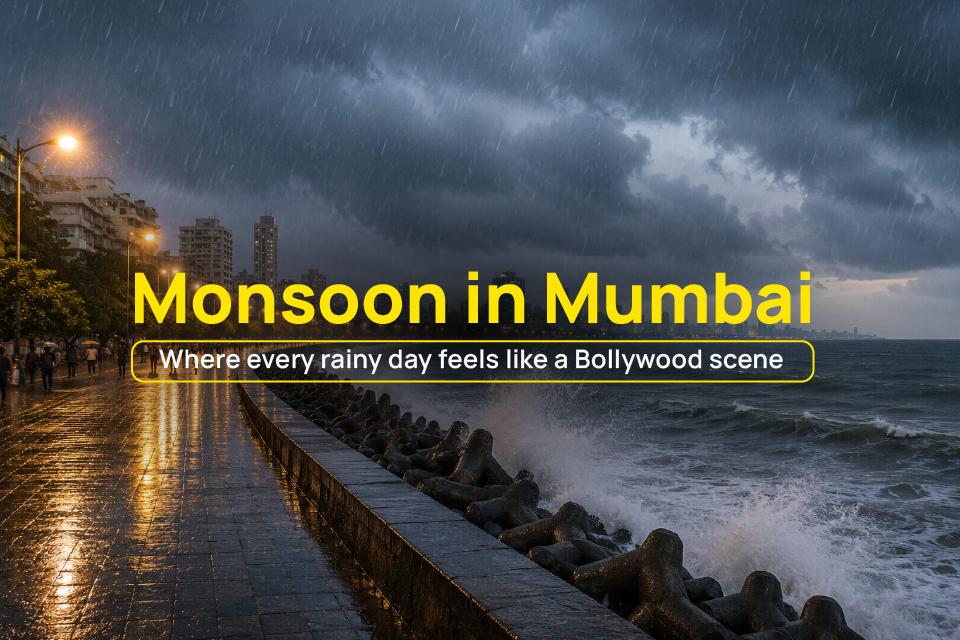
Waves climb over Marine Drive, vada pav disappears under roadside awnings, and waterfalls appear on hills that stay dry all year. This guide covers the best places to visit in Mumbai in monsoon, where to eat, which road trips are worth it, and which streets to skip. Pack a raincoat.
By Shreya Chopra
07 Jul, 2026
"Man, Bombay monsoons are to die for."
There are very few Bollywood dialogues that have aged as gracefully as this one from Wake Up Sid. Because if you've ever experienced the monsoon in Mumbai, you'll know exactly what Sid meant.
It begins with the smell.
The first showers hit the city's sun-baked roads, and suddenly the air changes. The scent of wet earth mixes with the salty breeze from the Arabian Sea, roadside vendors begin roasting fresh bhutta, cafés fill up with people escaping the rain, and Mumbai quietly slips into its favourite season.
Unlike many cities that slow down during heavy rainfall, Mumbai simply adapts. Office-goers continue catching local trains, college students gather at Marine Drive after lectures, photographers chase dramatic skies across Bandra, and somewhere, someone is always standing under a blue tarpaulin with a cup of cutting chai in hand.
That's what makes Mumbai different. The rain isn't an interruption. It's part of everyday life.
As someone exploring the city during the monsoon, you'll quickly realise that the best moments rarely appear on an itinerary. They happen when you decide to walk instead of taking a cab, stop for chai because of an unexpected downpour, or spend an extra hour watching waves crash against Marine Drive instead of rushing to the next attraction.
Whether you’re travelling solo, planning a weekend with friends or using Mumbai as a base for a longer Maharashtra trip, this monsoon travel guide has everything you need. It covers the best places to visit in Mumbai during monsoon, Mumbai street food, road trips, photography spots and practical tips for travelling in Mumbai during monsoon.
Why visit Mumbai during the Monsoon?
Ask ten Mumbaikars about their favourite season, and chances are at least half of them will say the rains.
It might sound surprising. This is also the season of umbrellas turning inside out, delayed trains and shoes that never quite dry. Yet somehow, it's also when the city feels the most alive. The air finally cools after months of humid summer heat, the sea shifts from a hazy blue-grey to deep charcoal almost overnight, and even familiar neighbourhoods seem to glow after a fresh shower.
For travellers, there are plenty of reasons to embrace the rainy season in Mumbai.
- Tourist crowds are generally smaller than during winter.
- Hotels and hostels often offer better value.
- The surrounding Western Ghats are at their greenest.
- Seasonal street food appears across the city.
- Road trips become significantly more scenic.
More than anything, the city feels more authentic. Instead of ticking landmarks off a list, you end up sharing an umbrella with strangers and lingering longer in cafés than you planned to, which is usually when Mumbai is at its best.
When is the rainy season in Mumbai?
The rainy season in Mumbai generally lasts from June to September, with July receiving the highest rainfall. If it's your first monsoon trip, late August is often the sweet spot; you'll still get the city's famous rains without the intensity July occasionally brings.
| Month | Weather | Ideal For |
|---|---|---|
| June | Onset of monsoon, moderate to heavy rain | First rains, fewer tourists |
| July | Peak monsoon | Dramatic landscapes and photography |
| August | Pleasant weather with regular showers | Sightseeing and cafés |
| September | Rain gradually eases | Road trips and outdoor exploration |
Did you know? Mumbai receives an average of around 2,200 mm of rainfall every year, making it one of the wettest cities in India. Yet life rarely comes to a halt. Offices remain open, local trains continue running, and the city's famous resilience becomes part of the experience.
Best places to visit in Mumbai in monsoon
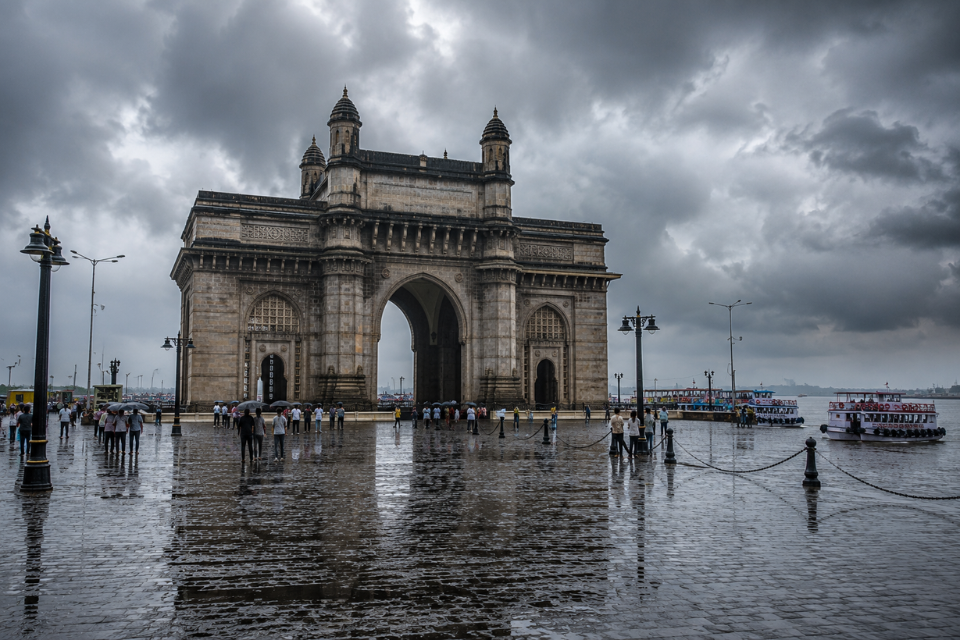
The city looks different once the rains arrive. Heritage buildings shine after every shower, and the Arabian Sea becomes the main attraction. Here are the best places to visit in Mumbai in monsoon.
1. Marine Drive
Stretching nearly 3.6 kilometres from Nariman Point to Chowpatty, Marine Drive in monsoon is where the city gathers whenever the skies turn dramatic. As dark clouds gather over the Arabian Sea, waves crash against the promenade, and thousands of Mumbaikars gather simply to watch, like it's a free show the city puts on every July. Some bring cameras, some bring cutting chai, many just sit and take it in, socks be damned.
The first time you watch the waves rise against the tetrapods, you'll notice something. Hardly anyone's looking at their phone. Everyone's looking at the sea. From here, it's an easy walk toward Churchgate to take in the Art Deco buildings lining the boulevard, or further into Fort and the Gateway of India, making this one of the city's most rewarding walking routes.
Local Tip: Skip the expensive cafés for a while. Buy roasted bhutta from a street vendor, find a quiet spot along the promenade and simply watch the weather change. That's often the highlight of the evening.
Photo Opportunity: Visit just after a passing shower when the wet promenade reflects the lights of the Queen's Necklace.
2. Bandra Bandstand
Bandra has always had a creative energy, and the monsoon only adds to it.
Walk along Bandstand, admire the views of the Bandra-Worli Sea Link and explore nearby Chapel Road, where colourful murals and Portuguese-style homes offer a quieter side of the neighbourhood.
Of course, Bollywood fans can also catch a glimpse of Shah Rukh Khan's famous residence, Mannat.
3. Gateway of India
Few places capture Mumbai's history quite like the Gateway of India.
Standing against a backdrop of dark monsoon clouds, this iconic monument feels even more dramatic during the rainy season. Arrive early in the morning to enjoy fewer crowds before wandering through Colaba Causeway for shopping, cafés and heritage architecture.
Local Tip: If ferry services are operating, consider taking a short ride into the harbour for a different perspective of South Mumbai's skyline.
Local Connection: The Gateway sits within walking distance of Colaba Causeway, the Taj Mahal Palace Hotel, Kala Ghoda and the Fort district, so you can cover several landmarks in one day without relying much on transport.
Photo Opportunity: Capture the Gateway just after rainfall when the stone courtyard reflects the monument and monsoon clouds create a dramatic backdrop.
4. Kala Ghoda & Fort
For travellers who enjoy history, architecture and slow walks, Kala Ghoda is one of Mumbai's most rewarding neighbourhoods.
Rain-washed streets, heritage buildings, art galleries and hidden cafés make this area perfect for a leisurely afternoon. Walk through the Fort district, admire the Asiatic Society Library, browse independent bookstores and lose yourself among beautiful colonial-era streets. It's also one of the best areas for a walking tour of Mumbai during the monsoon.
Hidden Gem: Horniman Circle Garden is just a short walk away and is one of South Mumbai's most peaceful green spaces after a fresh shower.
5. Sanjay Gandhi National Park
One of Mumbai's better surprises is that a national park exists within city limits at all, let alone one this size. Spread across more than 100 square kilometres, it's a welcome break from traffic and concrete. During the monsoon, the forest turns lush, streams start flowing again, and the whole park feels different from the rest of the year. Walking trails, cycling routes, and the ancient Kanheri Caves tucked inside the forest are all worth the trip out.
6. Juhu Beach
Juhu feels noticeably different during the monsoon. Crowds thin out, the sea turns rough and dramatic, and the promenade becomes a favourite spot for locals who come just to watch the waves. Visit after a light shower for the breeze without the heaviest crowds, and it's one of the better places in the city to pair a seaside walk with street food, bhutta, pav bhaji or a cup of cutting chai.
7. Hidden gems in Mumbai that are worth exploring
If you've already seen famous landmarks, these lesser-known spots in Mumbai are worth adding to your itinerary.
- Khotachiwadi for colourful Portuguese-style homes and old-world charm.
- Banganga Tank for peaceful heritage walks away from the crowds.
- Malabar Hill Nature Trail for lush greenery and panoramic city views after the rain.
These places offer a quieter, more local side of Mumbai that's often missed by first-time visitors.
Things to do in Mumbai during monsoon
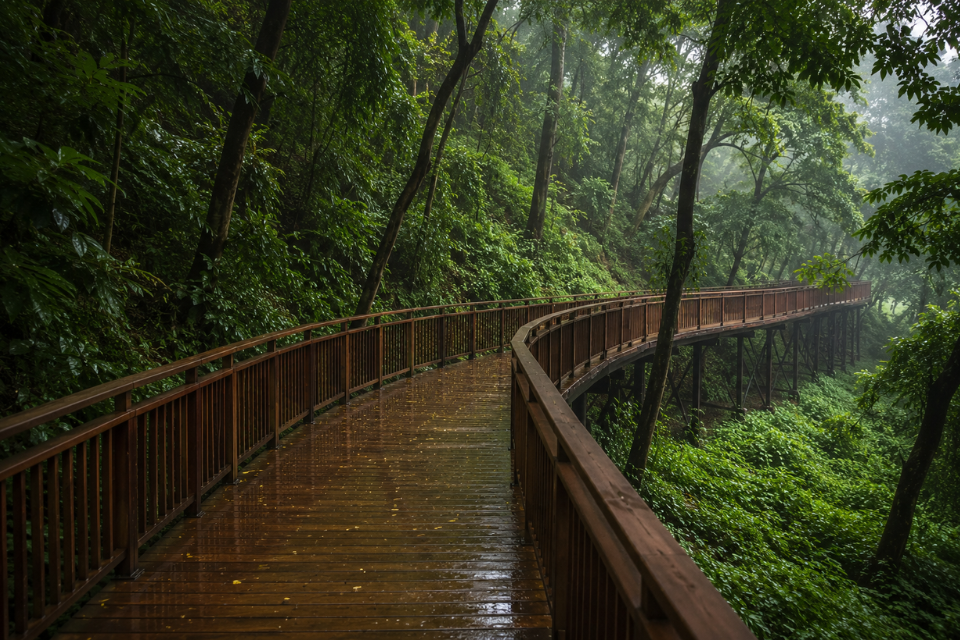
There's a common misconception that rain limits what you can do in Mumbai. In reality, it simply changes the way you experience the city. Some of the best things to do in Mumbai during monsoon are less about ticking off attractions and more about slowing down, wandering, and soaking in the atmosphere.
Walk along Marine Drive. The sea breeze, crashing waves and cooler air make it one of Mumbai's most iconic monsoon experiences.
Explore Museums and Art Galleries. The Chhatrapati Shivaji Maharaj Vastu Sangrahalaya, National Gallery of Modern Art and several independent galleries around Kala Ghoda offer an enriching rainy-day experience.
Walk the Malabar Hill Elevated Nature Trail. Mumbai's first forest walkway, a 485-metre wooden bridge connecting Kamala Nehru Park to Doongerwadi Woods, takes you up into the tree canopy with sea views along the way. Entry is ₹25 for Indian citizens and ₹100 for foreign visitors, and slots need to be booked online in advance.
Visit Sassoon Dock. One of the oldest fishing docks in Mumbai, it's a real glimpse into the city's relationship with the sea. Fishermen unload the day's catch, boats line the harbour, and the walls around the dock still carry the murals from the Sassoon Dock Art Project years after it wrapped.
Café hop around Bandra. Spend an afternoon moving between Bandra's independent cafés and bakeries while you wait out a shower. It's easy to see why so many writers and filmmakers set scenes here.
Ride the local train. It may sound unusual, but travelling on Mumbai's lifeline is one of the best ways to understand the city. Watching rain-soaked neighbourhoods pass by from a local train window is an experience that's uniquely Mumbai.
Mumbai street food in monsoon
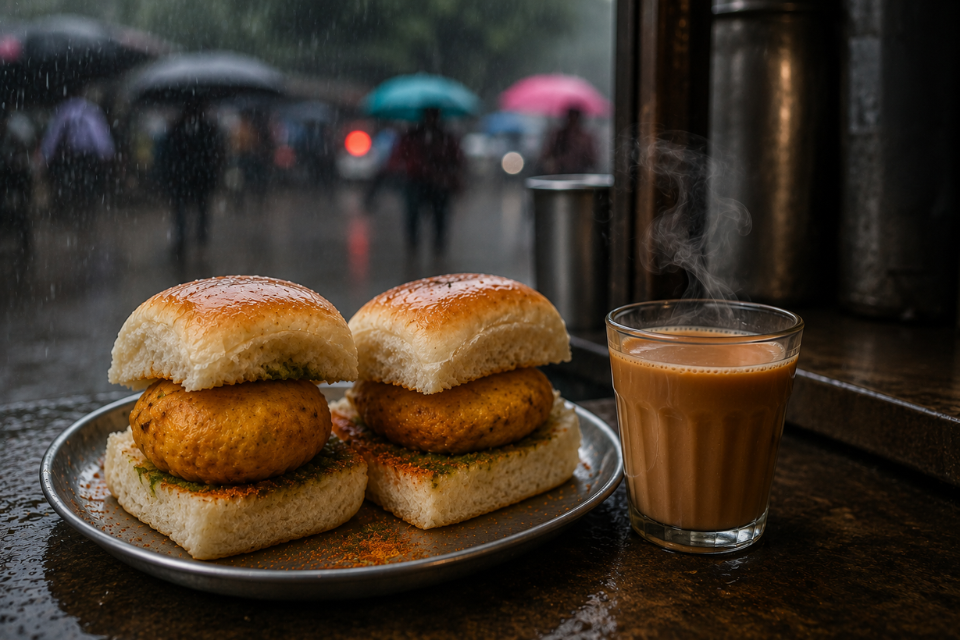
Ask anyone who's lived in Mumbai long enough, and they'll tell you the rain has its own menu. The moment the skies open, conversations shift from the weather to one question: chai peene chalein?
The Mumbai street food in monsoon scene isn't just about eating; it's part of the city's rhythm. Some of the most-loved monsoon staples:
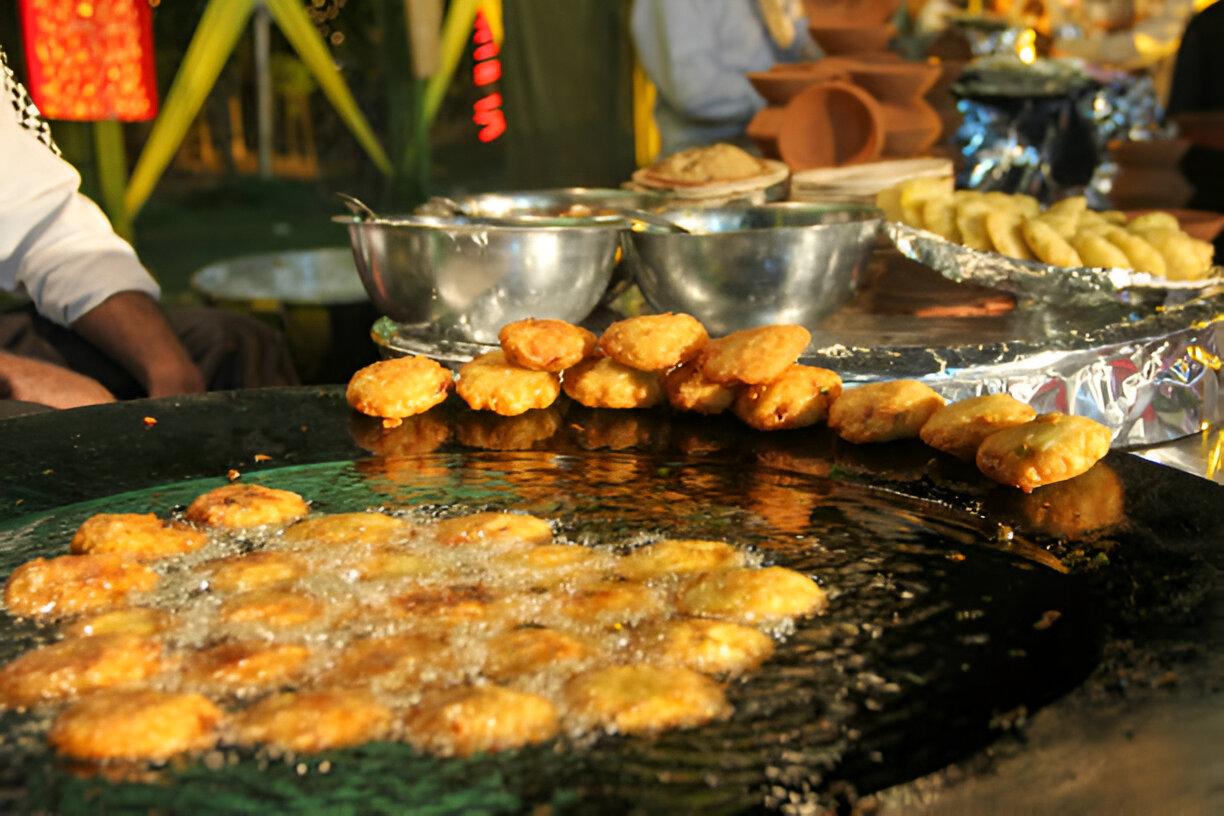
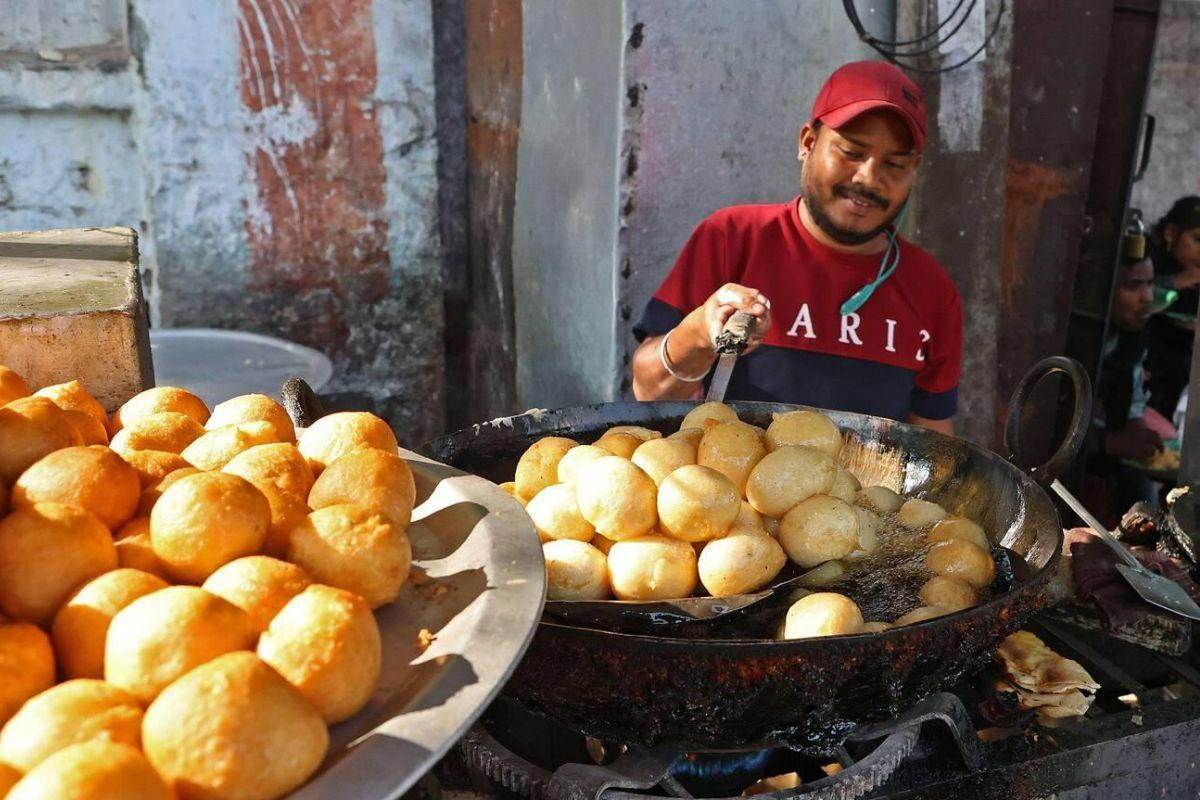
- Vada Pav: Mumbai's iconic snack that's simple, filling and perfect after a walk in the rain.
- Bhutta: Fresh corn roasted over charcoal and topped with lemon, chilli and salt. Best enjoyed along Marine Drive or Bandstand.
- Pav Bhaji: Rich, buttery and comforting after an evening of sightseeing.
- Cutting Chai: No Mumbai monsoon experience is complete without this tiny glass of strong, sweet tea.
Travel Tip: Choose busy food stalls with a high customer turnover to enjoy fresh, hygienically prepared food.
Photo Opportunity: A steaming glass of cutting chai beside a rain-speckled café window perfectly captures the mood of a Mumbai monsoon.
Monsoon photography spots in Mumbai
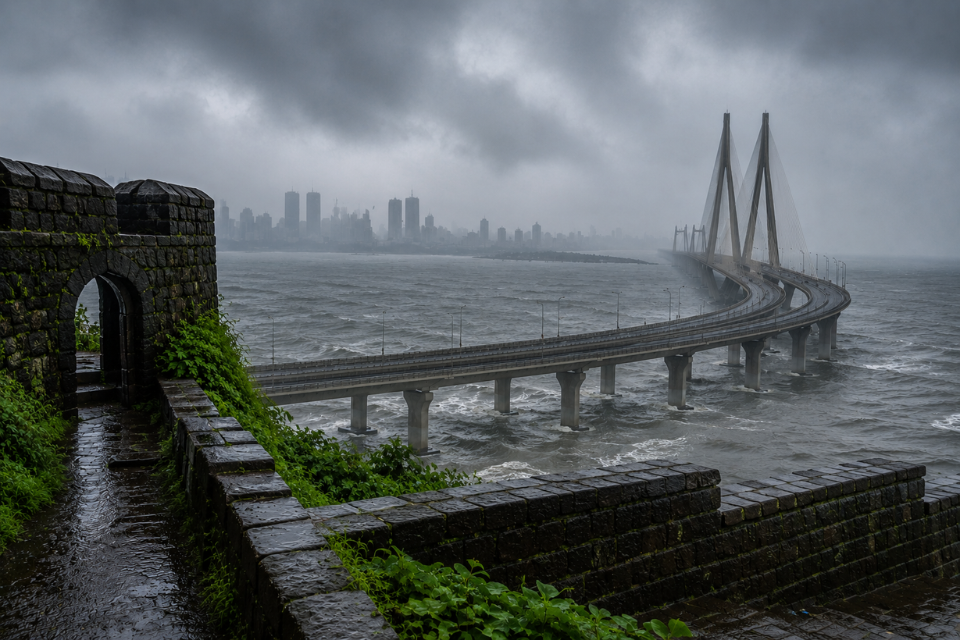
Rain changes how Mumbai photographs. The harsh summer light disappears, reflections show up on every street, and clouds add depth that photographers wait all year for. Some of the best monsoon photography spots in Mumbai:
- Marine Drive for dramatic sea views and reflections.
- Gateway of India beneath moody monsoon skies.
- Kala Ghoda for heritage architecture and street photography.
- Bandra Fort overlooking the Bandra-Worli Sea Link.
- Chhatrapati Shivaji Maharaj Terminus for stunning Gothic architecture.
Photography Tip: Cloudy weather works like a natural softbox, which is why portraits taken here tend to look better than ones shot in Mumbai's usual harsh sun.
Beyond Mumbai: Best monsoon escapes
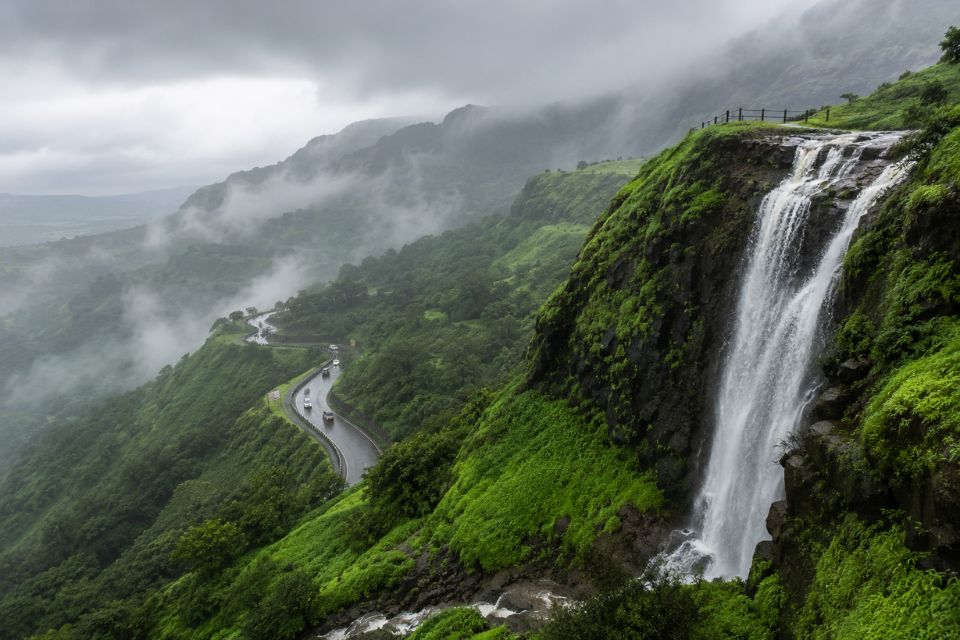
One of the best things about the rainy season in Mumbai is that the city isn't the final stop. Drive a couple of hours in almost any direction, and the skyline gives way to winding ghat roads, roadside waterfalls and mist-covered hills, and the drive itself becomes part of the trip. Whether you're planning a spontaneous day trip or extending your holiday by a weekend, these escapes are well worth adding to your itinerary.
One-day monsoon road trips from Mumbai
Lonavala
No list is complete without Lonavala. Yes, it's popular, but there's a reason generations of Mumbaikars head here the moment the rains arrive. Tiger Point disappears into the clouds, Bhushi Dam buzzes with visitors, roadside stalls serve steaming cups of chai, and every bend in the road reveals another waterfall.
And if you want to turn the trip into a slower weekend, The Hosteller Lonavala makes for a convenient base between waterfall stops, scenic drives and long monsoon walks.
Distance from Mumbai: 88 km (Approx. 2 hours)
Matheran
One of India's few automobile-free hill stations, Matheran feels wonderfully peaceful during the monsoon. Walk through forest trails, soak in panoramic valley views and enjoy the rare luxury of hearing birds instead of traffic.
Distance from Mumbai: 95 km (Approx. 2.5 hours)
Karnala Bird Sanctuary
Perfect for travellers who don't want to drive too far. The sanctuary becomes incredibly green during the monsoon and offers short hiking trails, excellent birdwatching and a refreshing escape from the city's fast pace.
Distance from Mumbai: 55 km (Approx. 1 hour)
Weekend getaways near Mumbai in monsoon
Bhandardara
Still relatively under the radar, Bhandardara is one of Maharashtra's most rewarding monsoon destinations. Think quiet lakes, rolling hills, waterfalls and scenic drives without the crowds you'll find in Lonavala.
And if you're planning to stay overnight, The Hosteller Bhandardara offers a comfortable base to soak in the region's misty landscapes and slow-paced charm.
Igatpuri
Known for its rolling hills, mist-covered valleys and peaceful atmosphere, Igatpuri is ideal if you're looking to disconnect from city life. It's also one of Maharashtra's most photogenic monsoon destinations.
Malshej Ghat
Few drives in Maharashtra are as rewarding during the rains. Waterfalls tumble down rocky cliffs, clouds drift across the highway, and every viewpoint makes you want to stop for another photograph. If you enjoy long drives, Malshej Ghat is difficult to beat.
Monsoon treks near Mumbai with waterfalls
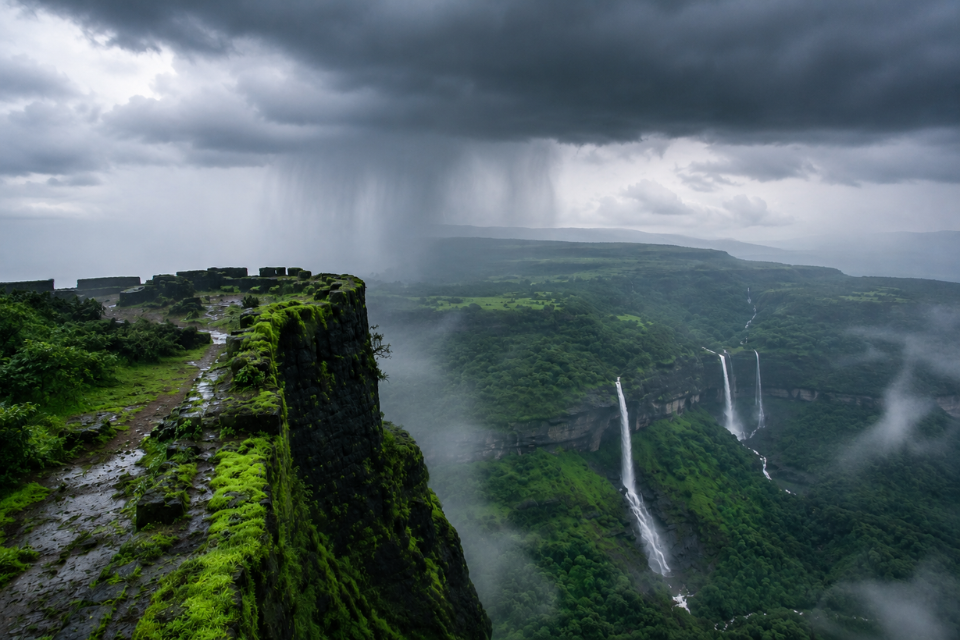
The Western Ghats are recognised as one of the world's biodiversity hotspots, and the monsoon is when they truly come alive. If you're someone who enjoys adventure, these monsoon treks near Mumbai with waterfalls should be on your list.
- Rajmachi Fort Trek - A favourite among beginners, Rajmachi combines scenic forest trails, waterfalls and panoramic views of the Sahyadris.
- Lohagad Fort Trek - Steeped in Maratha history, Lohagad is one of the easiest and most rewarding monsoon hikes near Mumbai.
- Visapur Fort Trek - Expect streams flowing across the trail, dramatic cliffs and sweeping valley views.
- Andharban Trek - Its name literally translates to "Dark Forest", and during the monsoon, it feels exactly that, with dense tree cover, flowing streams and constant mist.
- Kalsubai Trek - Standing at 1,646 metres, Kalsubai is Maharashtra's highest peak and offers an unforgettable challenge for experienced trekkers.
Responsible Traveller Tip: The Western Ghats are a UNESCO-recognised biodiversity hotspot. Carry reusable water bottles, avoid littering and respect local communities so these landscapes remain beautiful for future travellers.
Mumbai monsoon travel tips
Travelling during the monsoon in Mumbai is incredibly rewarding, but a little preparation makes all the difference. Here are some practical Mumbai monsoon travel tips:
- Carry waterproof shoes with good grip instead of sandals.
- Pack quick-dry clothing rather than heavy denim.
- Keep electronics inside waterproof pouches.
- Start sightseeing early, as rainfall often becomes heavier later in the day.
- Use the Mumbai Metro or local trains whenever possible to avoid road traffic.
- Download offline maps before exploring.
- Keep a lightweight rain jacket instead of relying only on umbrellas.
- Check the India Meteorological Department (IMD) forecast before planning outdoor activities.
Tip: Keep one flexible day in your itinerary because Mumbai's weather often changes quickly.
Your monsoon story starts here
There's a reason filmmakers keep returning to Mumbai whenever they want to capture rain on screen.
It's never just about the weather. It's about the feeling.
The sound of waves crashing against Marine Drive while strangers pause to watch together. The smell of freshly roasted bhutta drifts through the sea breeze. The comfort of hot chai after getting caught in an unexpected shower. The excitement of deciding, almost on impulse, to drive towards Lonavala because the mountains must look beautiful today.
That's the magic of the monsoon in Mumbai.
Every rainy day tells a different story. One might lead you through the heritage lanes of Kala Ghoda, another to a cosy café in Bandra, and the next onto a winding road through the Sahyadris, where waterfalls appear around every bend.
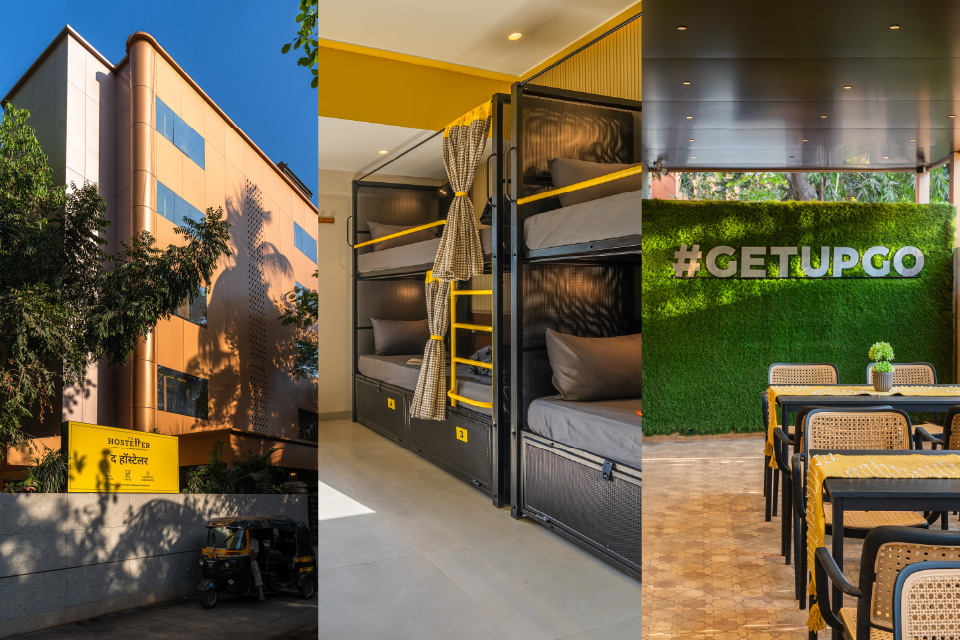
If you're wondering where to begin, The Hosteller Mumbai makes the perfect base for your monsoon adventure. Spend your days discovering the city's vibrant neighbourhoods, connect with fellow travellers over a cup of chai, and set off on unforgettable road trips, treks and weekend escapes across Maharashtra.
Because the best Mumbai itineraries aren't always the ones you plan. They're the ones the rain writes for you.
FAQs






thehosteller