Best Places to Visit During Monsoon in Kerala: A Rainy Season Guide for 2026
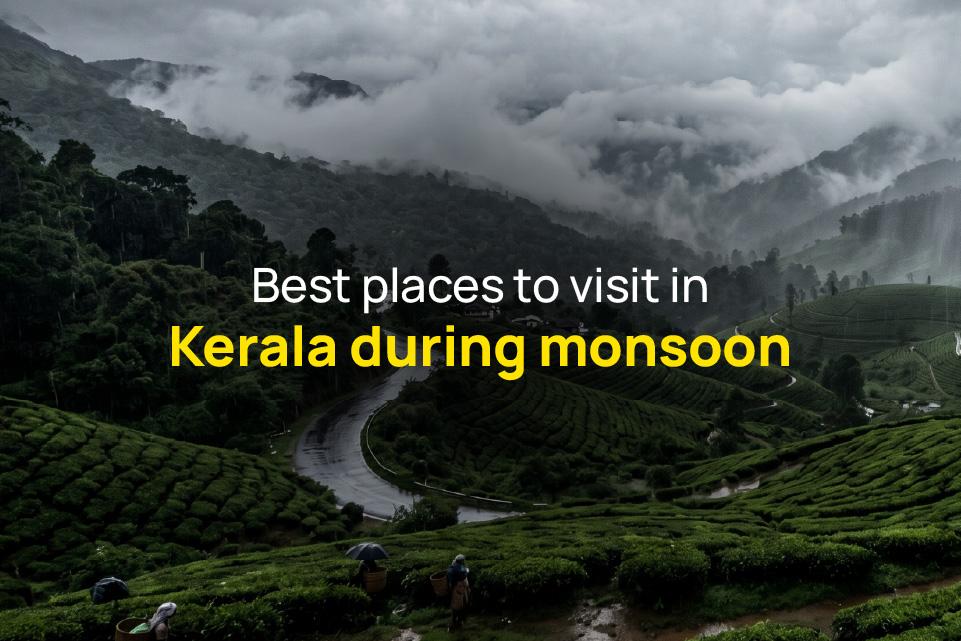
Mist-covered tea gardens, overflowing waterfalls, peaceful backwaters, and fewer crowds. Here's why Kerala is at its most magical during the monsoon.
By Shreya Chopra
25 Jun, 2026
"The rain doesn't interrupt a Kerala trip. It completes it."
Everyone talks about Kerala in winter.
The sunny backwaters, clear skies over Munnar, and houseboats gliding through calm waters have become the familiar version of the state. But anyone who has experienced Kerala during the monsoon knows there is another side to it entirely.
One that feels slower, denser, and more alive.
During the southwest monsoon, which arrives in early June and settles through July and August, Kerala transforms completely. Forests deepen in colour, waterfalls regain force, and mist moves across the Western Ghats like a living thing. Even familiar landscapes feel new.
This is when Kerala stops being a postcard and becomes an experience.
If you're planning a Kerala monsoon trip in 2026, this guide brings together the best places to visit during monsoon in Kerala, from mist-covered hill stations to rain-soaked backwaters and quiet coastal towns.
Quick answer: Where should you visit in Kerala during monsoon?
If you're short on time, here's a simple breakdown of the best monsoon destinations in Kerala:
| Travel Style | Best Destination |
|---|---|
| Tea gardens & mountain views | Munnar |
| Hidden hill station | Vagamon |
| Forests & waterfalls | Wayanad |
| Wildlife experiences | Thekkady |
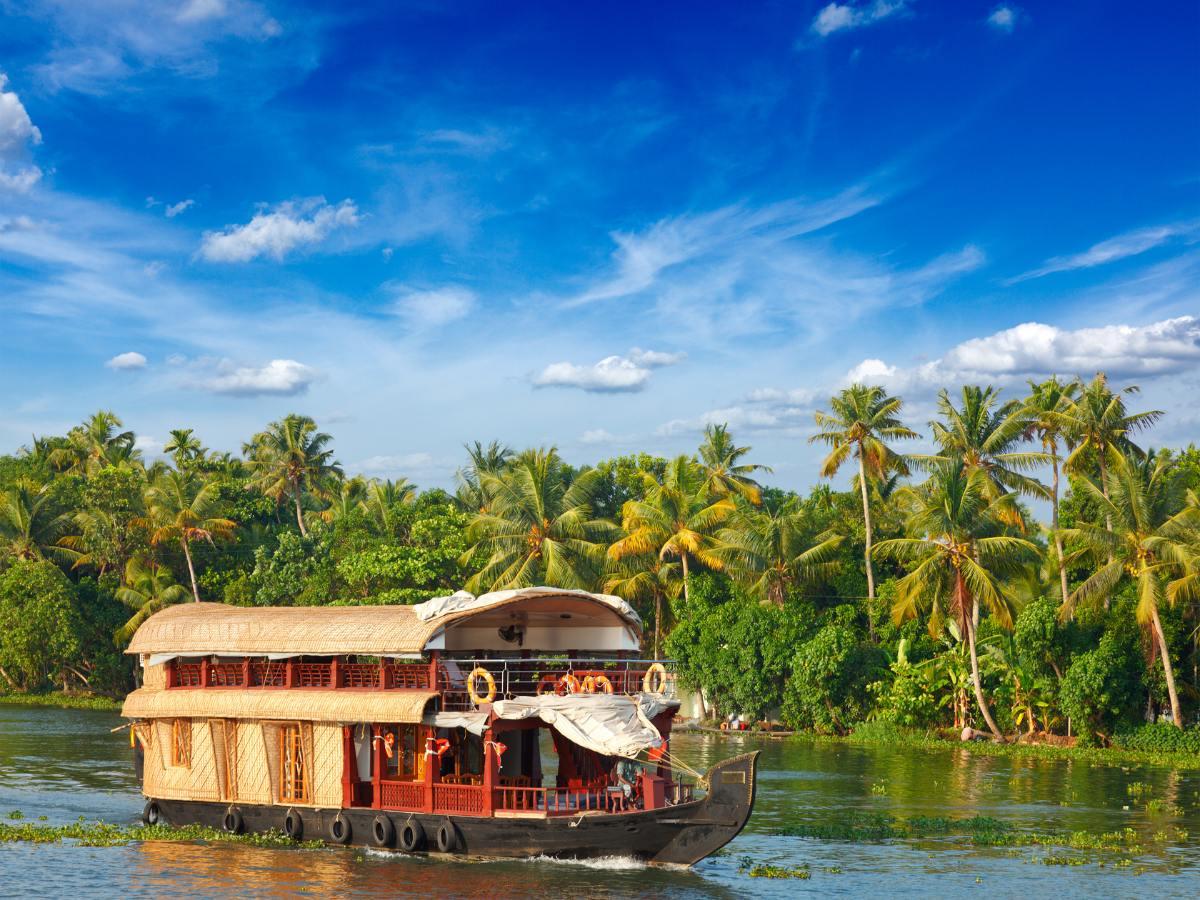
| Houseboats & backwaters | Alleppey |
| Heritage walks & cafés | Fort Kochi |
| Coastal escape | Varkala |
| Food & culture | Kozhikode |
A balanced Kerala monsoon itinerary usually includes Munnar, Wayanad, and Fort Kochi for first-time travellers.
Why Kerala is best experienced during monsoon
There's a reason Kerala has always shared a special relationship with the rain.
The monsoon isn't simply another season here. It shapes the landscape, farming traditions, local cuisine, Ayurveda, and everyday life. Rivers swell, spice plantations become fragrant, and forests seem to wake up after the first heavy showers.
The biggest surprise for many travellers is how peaceful Kerala becomes.
Winter attracts large crowds, especially in destinations like Munnar and Alleppey. During monsoon, those same places feel slower and more authentic. Roads are quieter. Hotels are less crowded. Popular viewpoints become places where you can simply stand and enjoy the scenery without waiting for space.
Rain rarely lasts all day either. Most showers arrive in bursts, followed by clear intervals that make sightseeing surprisingly comfortable.
If you're willing to pack a rain jacket and slow your itinerary slightly, monsoon quickly becomes one of the best time to visit Kerala.
1. Munnar: Where the clouds become part of the landscape
Ideal for: Nature lovers, couples, photographers, slow travellers
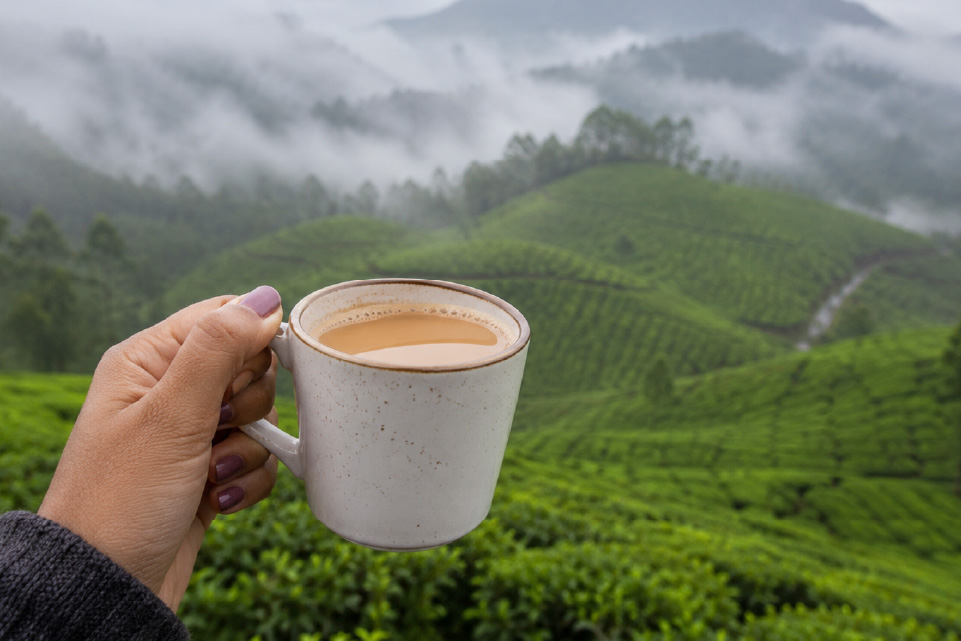
If there is one place that defines monsoon in Kerala, it is Munnar.
The tea estates here don’t just turn green during the rains. They deepen into layered shades of emerald that seem almost unreal. Clouds drift into valleys and stay there for hours, sometimes wrapping entire hills in silence.
There are mornings when you cannot see the landscape at all. Only white mist and the faint outline of plantations beneath it.
Then, slowly, the hills reappear.
Waterfalls like Attukad and Lakkam become powerful during this season, fed by continuous rainfall. Even the drive into Munnar feels different, passing through winding forest roads and sudden openings of tea-covered slopes.
Temperatures stay between 15°C and 22°C, making it one of the most comfortable hill escapes in South India during monsoon.
Don't miss: Attukad Waterfalls, Lakkam Waterfalls, Tea Museum, Top Station, Eravikulam National Park, Lockhart Gap Viewpoint
Best time to visit Munnar: Late June to August
Nearest airport: Cochin International (110 km)
Stay in Munnar: The Hosteller Munnar sits away from the main town inside a quieter tea valley. The isolation is intentional. Mornings here begin with mist outside your window and nothing else competing for attention.
Local food tip: Try a hot cup of cardamom tea with fresh banana fritters (pazham pori) from small roadside stalls near tea estates. Simple, local, and perfect in the rain.
2. Vagamon: Kerala's quietest hill station
Ideal for: Slow travellers, couples, remote workers
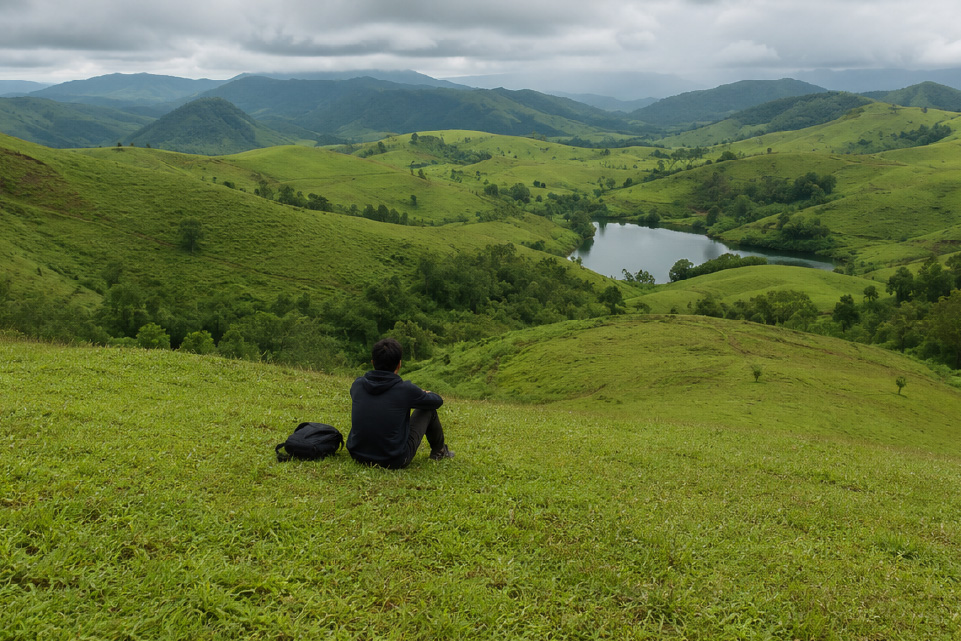
Vagamon feels like Kerala turned down the volume.
There are no heavy tourist clusters or busy town centres. Instead, you get rolling grasslands, pine forests, and open hills that disappear into fog without warning.
During monsoon, the entire landscape feels softer. Not dramatic like Munnar, but quieter, almost meditative.
Some days, the rain doesn’t feel like weather here. It feels like atmosphere.
Kurisumala, Thangalpara, and Vagamon Meadows become especially atmospheric during July and August, when clouds move low across the valley floor.
Don't miss: Vagamon Meadows, Pine Forest, Kurisumala, Thangalpara Viewpoint, Murugan Hill
Best time to visit Vagamon: July to August
Nearest railway station: Kottayam (65 km)
Stay in Vagamon: The Hosteller BAM Vagamon is built into a contoured hillside, offering glass-roof cottages, valley views, and weather that feels like part of the architecture itself.
Local food tip: Small toddy shop-style meals around Vagamon serve Kerala-style beef fry with parotta or simple vegetarian thalis that taste better in cold rain.
3. Wayanad: Where monsoon feels wild and alive
Ideal for: Nature lovers, backpackers, wildlife travellers, workations
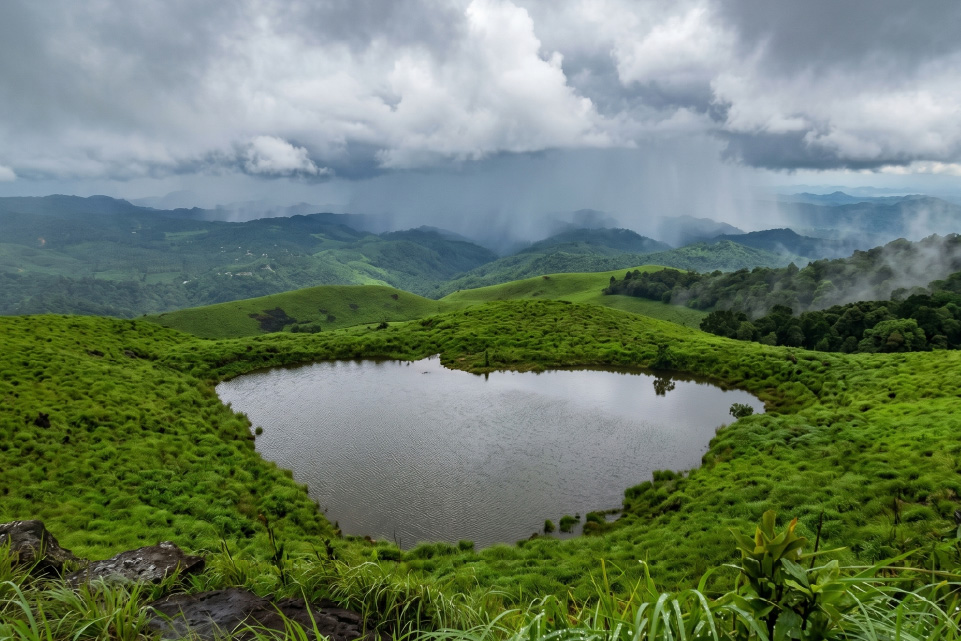
If Kerala had a rainforest heart, it would be Wayanad.
Monsoon turns this northern district into one of the most active green landscapes in South India. Forests thicken, waterfalls gain power, and the entire region feels like it has just woken up.
Chembra Peak, Edakkal Caves, and Banasura Sagar Dam are some of the most popular places to visit in Kerala during July and August, but what stands out here is not just sightseeing. It is the feeling of being surrounded by constant life.
Bird calls after rain are louder. Mist moves faster. Even long drives through spice plantations feel different.
Wayanad is not meant to be rushed. It works best when you stay longer than planned.
Don't miss: Chembra Peak, Edakkal Caves, Banasura Sagar Dam, Pookode Lake, Soochipara Waterfalls, Chain Tree
Best time: June to July
Nearest airport: Kozhikode (75 km)
Stay in Wayanad: The Hosteller Wayanad, Vythiri, just a short walk from Pookode Lake with views of Chembra Peak the property blends naturally with its surroundings through bamboo-inspired interiors and local design influences. Whether you're working remotely for a week or exploring Wayanad over a long weekend, it's an ideal base for experiencing the region at a slower pace.
Hosteller tip: If Wayanad is part of your monsoon plan, the Early Bird Discount helps secure better rates for advance bookings during peak rainy season.
Local food tip: Don’t miss bamboo biryani, Malabar fish curry, and kappa (tapioca) with spicy chutney, especially from local homestays and small eateries near Kalpetta.
4. Thekkady: Into Kerala's rainforest
Ideal for: Wildlife lovers, photographers, adventure travellers
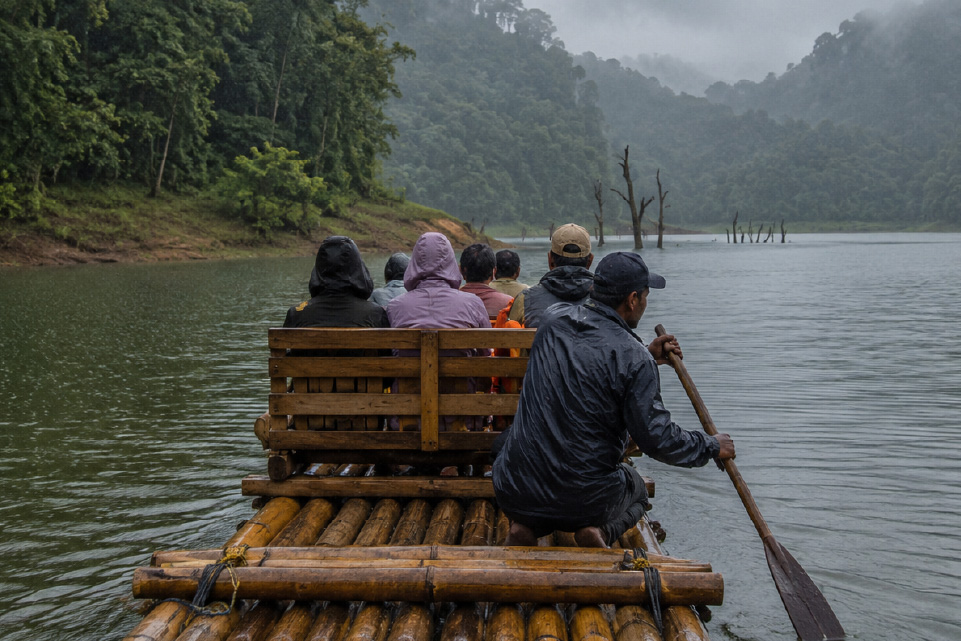
Thekkady becomes more alive during monsoon.
Periyar Lake rises with the rains, forests become denser, and spice plantations smell stronger than usual. This is one of the best places in Kerala for wildlife experiences during monsoon, especially guided walks and bamboo rafting.
You won’t always spot animals easily, but that uncertainty is part of the experience.
Don't Miss: Periyar Tiger Reserve, Bamboo Rafting, Jungle Night Patrol, Spice Plantation Tours, Periyar Lake Cruise, Kumily Market
Best time to visit Thekkady: July to August
Nearest airport: Madurai (136 km) or Cochin (190 km)
Local food tip: Try spiced Kerala pepper chicken, fresh cardamom tea, and plantation-style meals served in spice estate cafés around Kumily.
5. Alleppey: Where the backwaters slow everything down
Ideal for: Couples, slow travellers, photographers, first-time visitors
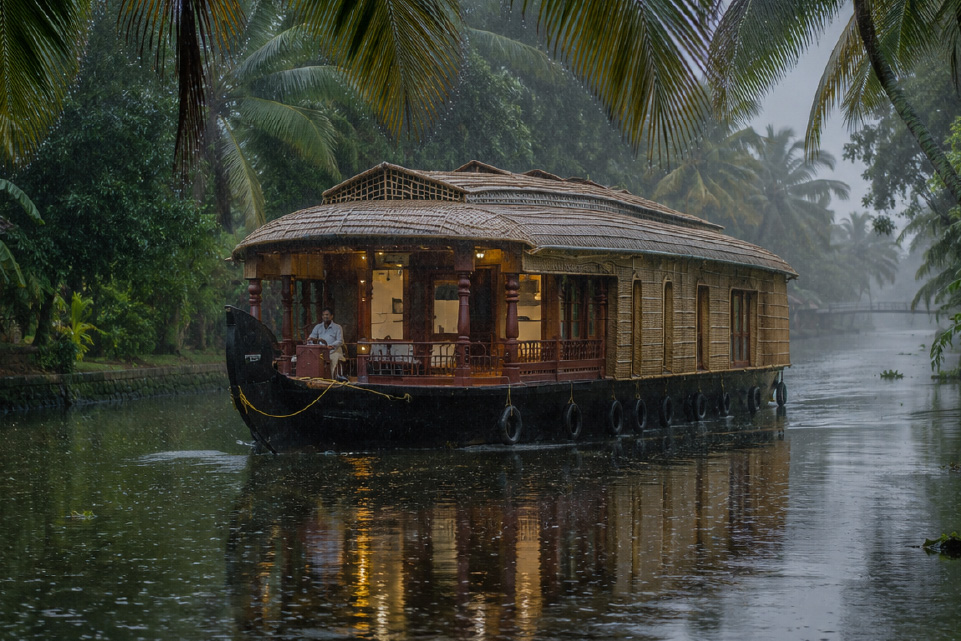
Most travellers picture Alleppey under bright blue skies, with houseboats drifting lazily through calm canals.
Monsoon tells a different story, and arguably, a better one.
The rain transforms the backwaters into something quieter and more intimate. Coconut palms lean over narrow canals, water lilies spread across still stretches of water, and rainfall creates soft ripples that blur the line between sky and river.
This is when Alleppey feels less like a destination and more like everyday Kerala.
One of the biggest advantages of visiting during monsoon is the pace. Houseboats are less crowded, prices are often more reasonable than peak season, and the waterways feel more personal. Instead of passing dozens of boats, there are long stretches where all you hear is rain, water, and the slow movement of the boat.
If you skip the overnight houseboat, take a canoe through the smaller canals around Kuttanad. It’s one of the most authentic Kerala monsoon travel experiences, especially when the fields and waterways are full.
Don't Miss: Alleppey Houseboat Cruise, Kuttanad Backwaters, Marari Beach, Pathiramanal Island, Alappuzha Lighthouse, Village Canoe Tours
Best time to visit Alleppey: July to September
Local food tip: Fresh Karimeen Pollichathu (pearl spot fish), toddy shop curries, and coconut-based seafood meals define Alleppey’s backwater food culture.
6. Fort Kochi: Heritage looks better in the rain
Ideal for: Solo travellers, backpackers, culture lovers, café hoppers
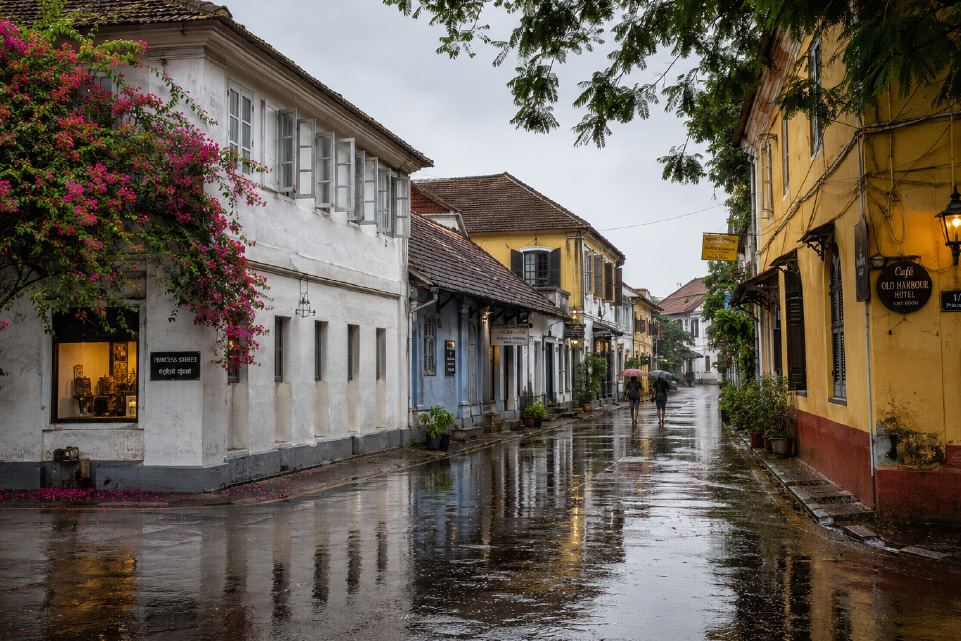
Some cities are made for sunshine. Fort Kochi belongs to rainy afternoons.
As clouds roll in from the Arabian Sea, the entire neighbourhood changes mood. Heritage buildings soften under grey skies, cafés become warm shelters, and narrow streets feel made for slow walks instead of rushed sightseeing.
Fort Kochi brings together Portuguese churches, Dutch-era homes, spice warehouses, art galleries, and cafés that feel more like living rooms than restaurants. Even the iconic Chinese fishing nets look more dramatic against a cloudy horizon.
It’s also a natural starting point for a Kerala monsoon trip, especially if you’re planning a route toward Munnar, Alleppey, or Wayanad.
And sometimes, the best experience here has nothing to do with sightseeing. Just sitting at a café overlooking the sea while rain moves across the coast is enough.
Don't Miss: Chinese Fishing Nets, St. Francis Church, Santa Cruz Basilica, Mattancherry Palace, Jew Town, Princess Street Cafés
Best time to visit Fort Kochi: June to August
Nearest airport: Cochin International (45 km)
Stay: The Hosteller Fort Kochi, a short walk from the beach, this stay blends local art, vibrant common spaces, and a social atmosphere that works perfectly for backpackers exploring Kerala’s cultural capital.
Local food tip: Must-try includes appam with stew, Kerala prawn roast, and locally brewed filter coffee in heritage cafés around Princess Street.
7. Varkala: Kerala's dramatic monsoon coast
Ideal for: Solo travellers, wellness seekers, couples
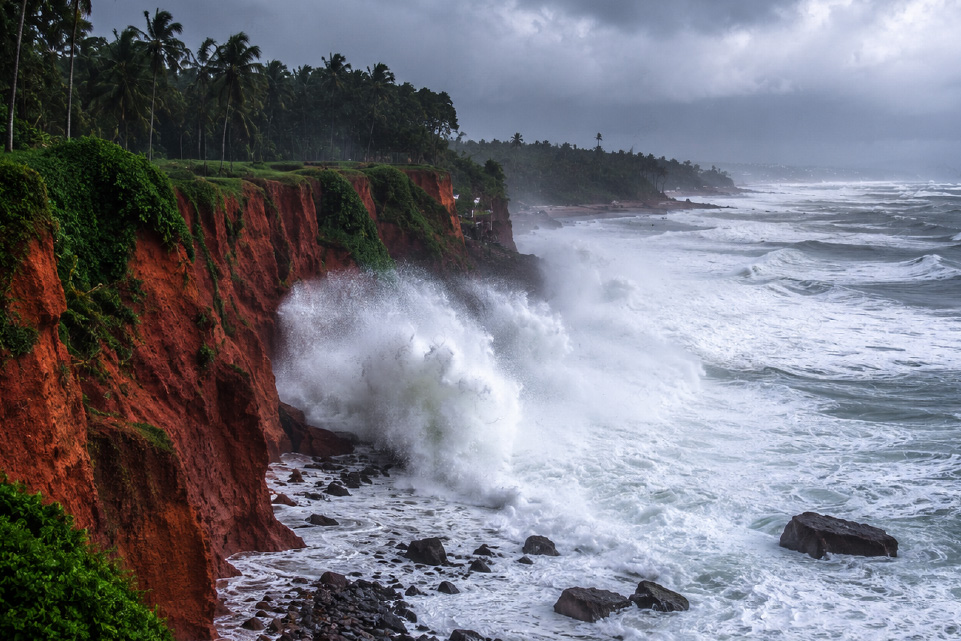
Varkala doesn’t lose its charm in monsoon. It changes character.
The Arabian Sea becomes more powerful, waves crash against the cliffs, and the coastline feels cinematic in a way that peak-season calm rarely delivers. Swimming is not recommended during rough weather, but that’s not what draws people here during monsoon.
Instead, Varkala becomes a place for slow mornings, cliffside cafés, Ayurvedic treatments, yoga sessions, and long walks while storms move across the horizon.
With fewer crowds, the town returns to its quieter self. Cafés feel more personal, viewpoints open up, and the entire experience slows down.
Don't Miss: Varkala Cliff, Janardhana Swami Temple, Black Beach, Kappil Beach, Edava Beach, Cliffside Cafés
Best time to visit Varkala: June to August (swimming not advised during peak monsoon)
Nearest airport: Trivandrum (51 km)
Local food tip: Enjoy fresh grilled seafood, banana leaf fish fry, and coconut water from cliffside cafés overlooking the Arabian Sea.
8. Kozhikode: Where monsoon meets malabar flavours
Ideal for: Food lovers, history enthusiasts, road trippers
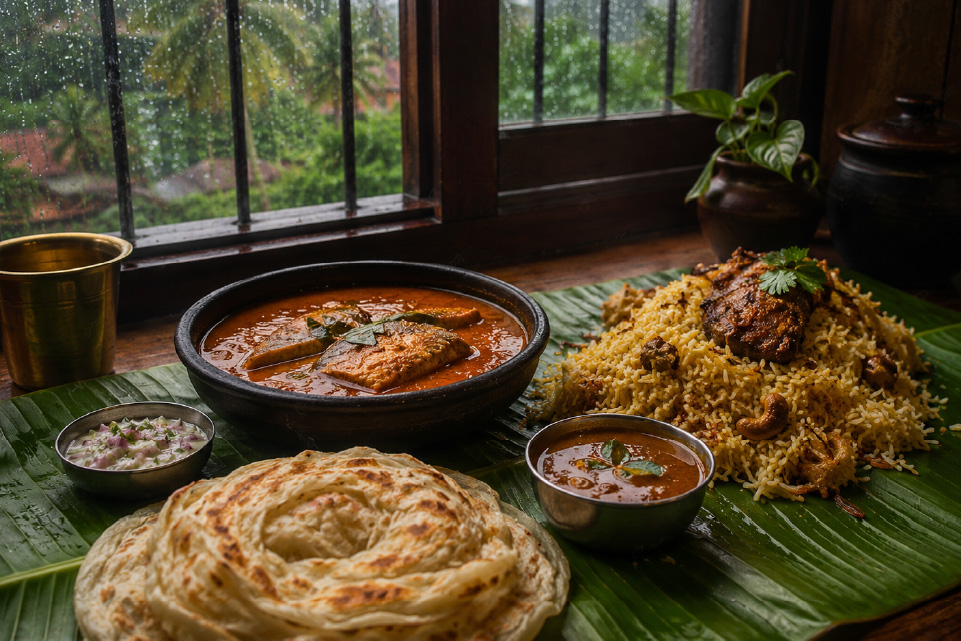
Kozhikode rarely makes it to first-time Kerala itineraries, which is exactly why it feels more authentic during monsoon.
This coastal city is one of the strongest food cultures in Kerala. Rain only makes it better. Hot Malabar biryani, freshly made parotta with curry, banana fritters, and seafood cooked in traditional coastal style define the experience here as much as sightseeing does.
Beyond food, Kozhikode offers heritage lanes in Kuttichira, peaceful walks along Kozhikode Beach, and easy access to Beypore, one of Kerala’s oldest port towns.
It also works perfectly as a gateway into the hills of Wayanad, making it a practical stop on a Kerala monsoon road trip.
Don't Miss: Kozhikode Beach, Beypore Port, Kuttichira Heritage Area, Mishkal Mosque, SM Street, Local Malabar Restaurants
Best time to visit Kozhikode: July to September
Nearest airport: Calicut International (25 km)
Local food tip: Kozhikode is all about Malabar biryani, banana chips, unnakkaya, and spicy beef curry with parotta. Rain makes everything better here.
Why monsoon is the best season for Ayurveda in Kerala
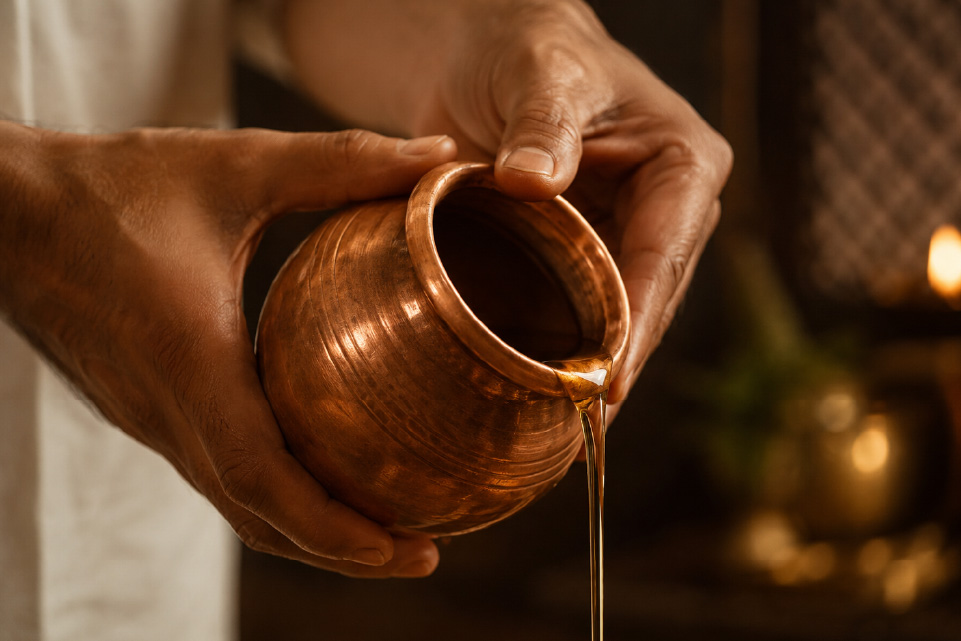
Monsoon is considered the most effective season for Ayurveda in Kerala.
According to traditional practice, the combination of humidity, cooler temperatures, and atmospheric moisture helps the body respond better to Ayurvedic therapies. This is why Karkidaka Masam (July–August) is widely regarded as the peak wellness season.
Across Kerala, especially in Munnar, Wayanad, and Alleppey, Ayurvedic centres design seasonal programs such as Panchakarma and rejuvenation therapies during this time.
Even a short Abhyanga massage after a day of travel feels more effective in this climate than in any other season.
Planning a Kerala monsoon trip? Here's an easy itinerary
3-Day Trip
Fort Kochi → Munnar
Best for a short escape combining heritage, tea estates, and mountain weather.
5-Day Trip
Fort Kochi → Munnar → Wayanad
A balanced Kerala monsoon itinerary covering culture, hills, waterfalls, and forests.
7-Day Trip
Fort Kochi → Munnar → Thekkady → Alleppey → Varkala
A complete journey through Kerala’s monsoon landscapes, from rainforest to backwaters to coastline.
Practical tips for visiting Kerala during monsoon
A few things make Kerala much easier to navigate during the rainy season:
- Build buffer time for travel between hill stations like Munnar and Wayanad
- Carry waterproof covers for bags and electronics
- Roads can slow down after heavy rainfall, especially in the Western Ghats
- Leech protection is useful for forest treks in Wayanad and Thekkady
- Houseboats in Alleppey are often better priced during monsoon
- Book Ayurvedic treatments in advance for July–August
Flexibility is the real travel hack here. Kerala rewards travellers who don’t over-schedule their days.
God's Own Country does not need a clear sky
The postcard version of Kerala is beautiful. The monsoon version feels more honest.
Somewhere between mist-covered tea gardens in Munnar, rain-soaked canals in Alleppey, and slow afternoons in Fort Kochi cafés, travellers begin to notice something simple.
Kerala doesn’t become less during the rains.
It becomes more itself.
And often, the people who come expecting disruption end up leaving with a different thought altogether.
They should have planned for monsoon sooner.
FAQs

What to do now?






thehosteller