Leh it be! The Ultimate Leh Ladakh Itinerary for 4 Days
Warning: This Leh itinerary may cause severe wanderlust.
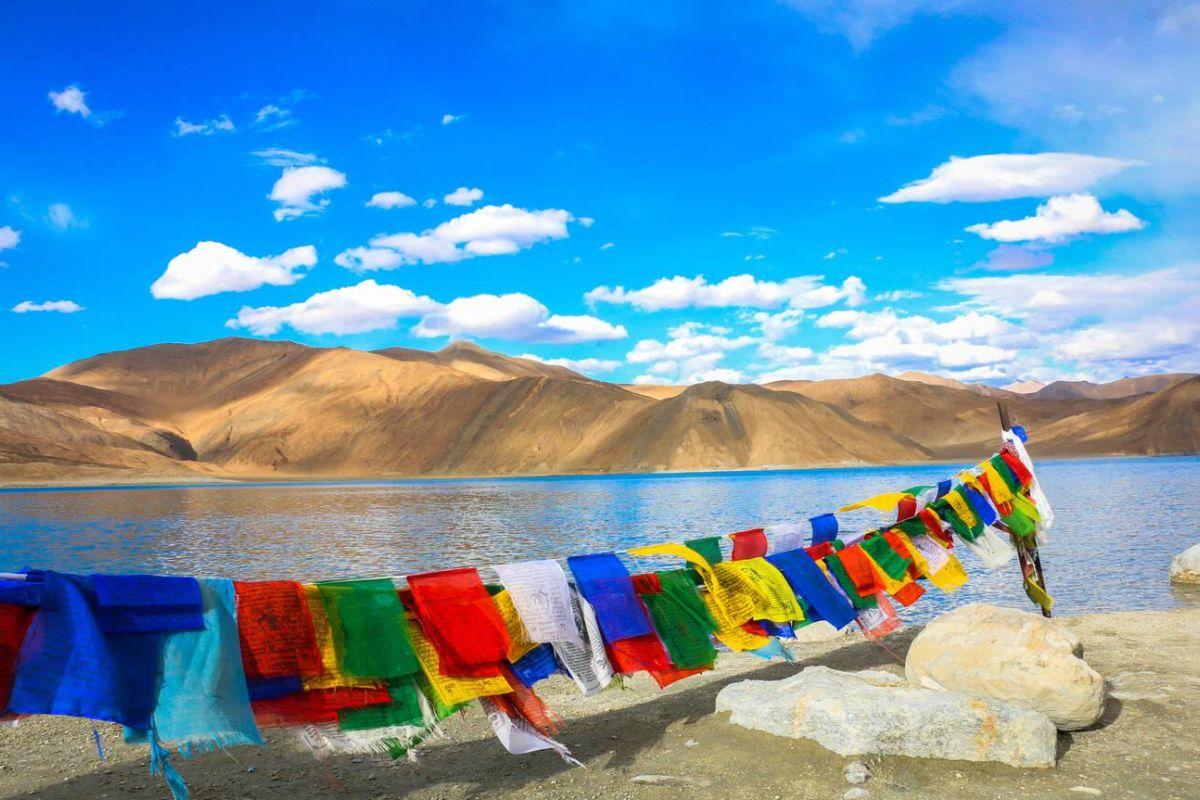
Four days, zero dull moments and a lifetime's adventure! Leh is where the mountains touch the sky, the lakes and sky compete over who’s bluer, and the roads come with their gravity-defying magic tricks. Planning a Leh trip sounds exciting until you realise fitting everything into four days is harder than packing light. Don’t worry, we’ve done the homework so you don’t have to.
By Shreya Chopra
15 Jun, 2026
Four days, zero dull moments, and a lifetime's worth of stories!
Leh is where the mountains touch the sky, the lakes and sky compete over who's bluer, and the roads come with their own gravity-defying magic tricks. One minute you're sipping butter tea in a cosy café, and the next you're crossing high-altitude mountain passes with landscapes that look straight out of a movie.
Planning a trip to Ladakh sounds exciting until you realise fitting everything into four days is harder than packing light. Between monasteries, mountain passes, desert dunes, turquoise lakes, and the all-important acclimatisation, there's a lot to see and very little room for mistakes.
Don't worry, we've done the homework so you don't have to.
This FOMO-proof Leh Ladakh itinerary for 4 days covers the region's biggest highlights, from the peaceful lanes of Leh and the stunning monasteries of the Indus Valley to the sand dunes of Nubra and the postcard-perfect beauty of Pangong Lake. We've also included practical tips, local favourites, permit information, packing advice, and a few things only locals usually tell you after you've already arrived.
So grab your sunglasses, charge your camera, keep that water bottle handy, and get ready for four unforgettable days in one of India's most extraordinary destinations.
Here's your ultimate Leh itinerary.
Quick snapshot: Leh itinerary
| Day | Highlights |
|---|---|
| Day 1 | Check-in, Leh Market, Shanti Stupa, Leh Palace, The Tibetan Kitchen |
| Day 2 | Myngl Café, Hemis Monastery, Thiksey Monastery, Magnetic Hill, Sangam Point |
| Day 3 | Khardung La, Nubra Valley, Hunder Dunes, Camel Ride, Diskit Monastery |
| Day 4 | Pangong Lake, Lakeside Lunch, Hall of Fame Museum, Gesmo Restaurant |
Before you begin: What to know about Leh
A trip to Leh is not like a regular hill station holiday. The altitude changes everything. Leh sits at a high elevation, so the first rule is simple: slow down on day one. Let the body adjust, drink water, and do not try to “conquer” the destination in the first few hours.
This Leh itinerary is designed to balance sightseeing with acclimatisation, which is really the secret to enjoying Ladakh properly.
Day 1: Arrive in Leh and take it slow
The first day of this Leh Ladakh itinerary for 4 days is not about doing everything. It is about doing just enough.
Check in at The Hosteller Leh
Drop your bags, freshen up, and take a moment to soak it all in because you're finally in Ladakh! Whether it's the mountain views from the property or conversations with fellow travellers swapping road trip stories, the first few hours are best spent slowing down and settling into Leh's pace. Trust us, acclimatisation isn't just a suggestion here, it's essential.
Leh Market stroll
Once you've had some rest, head out for a slow walk around Leh Market. Browse through shops selling Tibetan prayer flags, pashmina shawls, handmade jewellery, apricot products, and souvenirs you'll probably end up buying "just to look at." Don't forget to grab a cup of butter tea or freshly brewed Ladakhi coffee from one of the quaint cafés tucked into the market lanes.
Shanti Stupa
As the evening approaches, make your way to Shanti Stupa, a peaceful Buddhist monument offering breathtaking panoramic views of Leh. Constructed by Japanese and Ladakhi Buddhists in 1991, it's a symbol of harmony and one of the most iconic sights in the region. You can either drive up or climb the 500-plus steps if you're feeling up to a spiritual and fitness challenge. Sunset from here is pure magic, with the mountains glowing in shades of gold and pink.
Timings: 5 AM to 9 PM
Leh Palace
Next, visit Leh Palace, a 17th-century royal residence that once housed Ladakh's kings. This nine-storey mud-brick structure, reminiscent of Tibet's Potala Palace, boasts stunning Indo-Tibetan architecture and a fascinating history. Wander through its old corridors, admire ancient murals and Buddhist relics, and step onto the wooden balconies for sweeping views of Stok Kangri and the Zanskar ranges.
Timings: 7 AM to 4 PM
Ladakhi dinner at The Tibetan Kitchen
End your first day with a comforting meal at The Tibetan Kitchen, one of Leh's most loved restaurants. Tuck into a steaming bowl of Thukpa, hearty Skyu, or freshly made momos before calling it a night. Pair your meal with a glass of Seabuckthorn juice, Ladakh's local superfruit. Made from the vibrant orange seabuckthorn berry grown in the region, this refreshing drink is packed with Vitamin C and antioxidants, making it both delicious and exactly what your body needs after a day at altitude.
After all, tomorrow the real adventure begins.
Day 2: Monasteries, Rivers and Ladakh's quirky side
Now that you've had a day to acclimatise, it's time to hit the road. Day 2 of this Leh itinerary takes you through some of the most famous places to visit in Leh, where ancient monasteries, breathtaking landscapes, and bizarre natural phenomena come together to tell the story of Ladakh. Expect Tibetan Buddhist heritage, sweeping valley views, and even a pit stop where the laws of physics seem to take a coffee break.
Breakfast at Myngl Café
Start your morning at Myngl Café at The Hosteller. Fuel up with freshly brewed coffee, fluffy pancakes, smoothie bowls, or a hearty English breakfast before setting off for the day. Trust us, you'll need the energy.
Hemis Monastery
Leh → Hemis: ~45 minutes
Your first stop is Hemis Monastery, the largest and wealthiest monastery in Ladakh. Tucked away in a secluded gorge, this spectacular monastery belongs to the Drukpa lineage and is renowned for its collection of ancient artefacts, vibrant thangkas (Tibetan paintings), and intricately crafted golden statues.
Among the many monasteries in Ladakh, Hemis remains one of the most significant, both spiritually and culturally. If you're lucky enough to visit during the famous Hemis Festival in Leh Ladakh, you'll witness a riot of colours as monks perform traditional masked dances and sacred rituals commemorating the birth anniversary of Guru Padmasambhava. It's one of Ladakh's most extraordinary cultural experiences.
Timings: 8 AM to 1 PM; 2 PM to 6 PM
Thiksey Monastery
Hemis → Thiksey: ~25 minutes
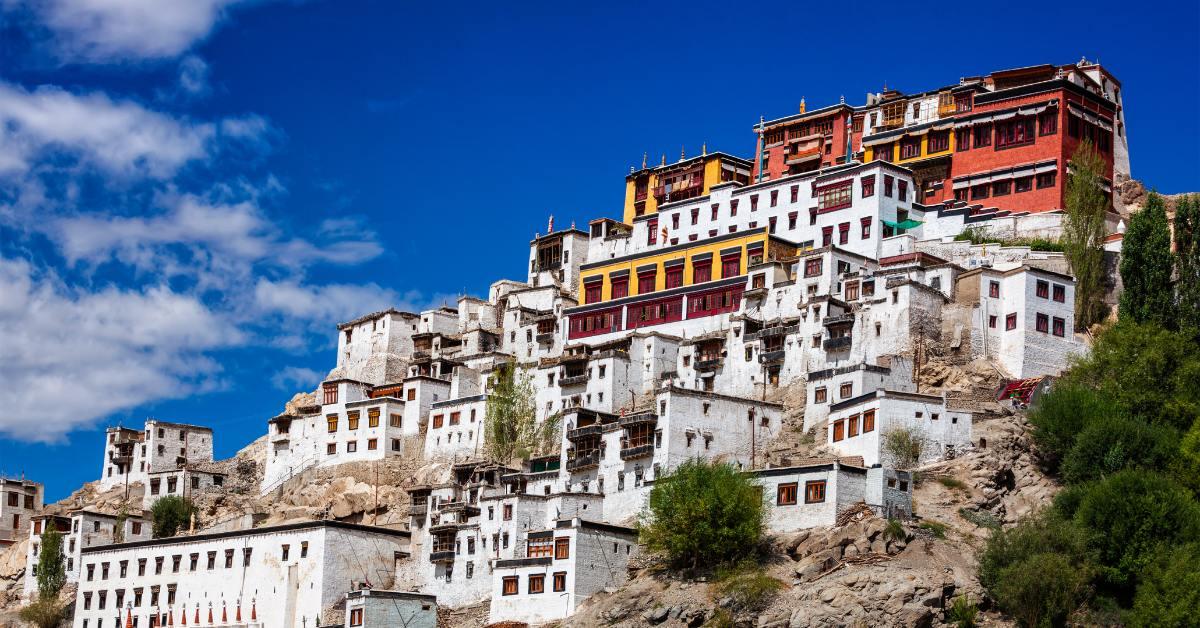
Next, make your way to Thiksey Monastery, an architectural masterpiece often compared to Tibet's iconic Potala Palace. Cascading down a hill across twelve levels, this monastery offers some of the most breathtaking views of the Indus Valley.
The highlight here is the magnificent 15-metre-tall statue of Maitreya Buddha, seated serenely in meditation and radiating peace and wisdom. Wander through the prayer halls as rhythmic chants echo through the corridors, spinning prayer wheels and soaking in the tranquil atmosphere that makes Thiksey one of the most beautiful monasteries in Ladakh.
Timings: 7 AM to 7 PM
Magnetic Hill
Ever seen a car roll uphill on its own? Well, at Magnetic Hill, it happens.
Located along the Leh-Kargil highway, this curious spot creates an optical illusion that makes stationary vehicles appear to move against gravity. Whether it's a magnetic force, a trick of perspective, or simply Ladakh showing off yet again, one thing is certain, it's a fascinating stop and one of the quirkiest places to visit in Leh.
Indus-Zanskar Confluence
Sangam → Leh: ~1 hour
Continue onwards to Sangam Point, where the mighty Indus and Zanskar rivers meet in a spectacular display of nature's artistry.
Depending on the season, you'll witness the striking contrast between the turquoise waters of the Indus and the muddy brown hues of the Zanskar. During winter, the frozen Zanskar transforms into the legendary Chadar Trek route, attracting adventurers from across the world.
It's the perfect place to pause, click some incredible photographs, and simply admire the raw beauty that makes Ladakh so unforgettable.
Back to Leh
As the day winds down, head back to Leh and take it easy. Tomorrow brings mountain passes and desert landscapes, so tonight is all about slowing down.
Find a cosy corner at Lehvenda Café, order a steaming cup of hot chocolate, and don't leave without trying their famous apricot cake. It's the kind of sweet ending that somehow makes a great day even better.
Because if Day 2 was all about discovering Ladakh's spiritual side, Day 3 is where the adventure truly kicks in.
Day 3: Nubra Valley adventure
Adventure lovers, this day is for you!
Nubra Valley is easily one of the most scenic and unforgettable highlights of any Leh Ladakh trip plan. Get ready for an epic road trip through some of Ladakh's most dramatic landscapes. From crossing one of the highest motorable passes in the world to riding double-humped camels across golden dunes, Day 3 is all about thrill, beauty, and the kind of moments that make you run out of phone storage.
Khardung La Pass
Leh → Khardung La: ~1.5 hours
Your adventure kicks off with a drive to the legendary Khardung La Pass, perched at a dizzying 17,582 feet above sea level. As you ascend, the crisp mountain air and breathtaking views of the Zanskar and Karakoram ranges will leave you in awe.
Often referred to as one of the world's highest motorable roads, Khardung La is a bucket-list stop for bikers and road trippers alike. The sense of achievement you feel standing beside the iconic yellow signboard is very real! Don't forget to snap that mandatory photo and warm up with a hot cup of chai from the army-run café nearby.
Hunder Sand Dunes
Khardung La → Hunder: ~3 hours
As you descend into Nubra Valley, the landscape transforms into something straight out of a dream. Imagine golden dunes framed by rugged mountains and snow-capped peaks in the distance.
The Hunder Sand Dunes are among the most unique places to visit in Nubra Valley, where Ladakh's cold desert meets the dramatic beauty of the Karakoram range. Walk barefoot on the soft sand, capture some incredible photographs, and simply soak in the surreal contrast that makes this destination so special.
Double-Humped Camel Ride
Meet Nubra Valley's most famous residents, the Bactrian camels.
Unlike regular camels, these furry, double-humped beauties are native to the region and were once used by traders journeying along the ancient Silk Route. A ride through the dunes on these gentle giants is one of the most iconic experiences in any Nubra Valley itinerary. It may sound touristy, but trust us, it's every bit as fun and memorable as it looks.
Diskit Monastery
Next up, Diskit Monastery, one of the oldest and largest monasteries in Nubra Valley.
Perched high above the valley, this centuries-old monastery is best known for its towering 32-metre-tall Maitreya Buddha statue, which gazes serenely over the landscape below like a silent guardian. Wander through the monastery, admire the colourful prayer flags fluttering in the breeze, and let the rhythmic chants of the monks work their magic. It's the perfect way to slow things down before the day comes to an end.
Bonfire & Stargazing
As night falls, get ready to hum a few lines from A Sky Full of Stars because Nubra truly puts on a show.
With barely any light pollution, the night sky here is filled with stars scattered like glitter across the Milky Way. Sit around a cosy bonfire, swap stories with fellow travellers, and simply take in this cosmic masterpiece. If luck is on your side, you might even catch a shooting star or two. No better way to wrap up an epic day than beneath a sky dusted with more stars than you've ever seen.
Dinner in Nubra Valley
After a day filled with mountain passes, desert landscapes, and monastery visits, treat yourself to a hearty meal before calling it a night. If you're stopping in Diskit, locals often recommend The Bon Appetit Café & Restaurant for its warm hospitality and comforting food. The menu offers everything from authentic wood-fired pizzas and fresh pastas to traditional Ladakhi staples like Thukpa and Skyu. And if you still have room for dessert, don't leave without trying their specialty Chocolate Momos, a surprisingly delicious favourite that's highly recommended by locals.
After all, tomorrow brings the grand finale of this Leh itinerary: the one and only Pangong Lake.
Day 4: Pangong Lake and Return to Leh
It's the last full day of your Ladakh adventure, and we're making it count! Pangong Lake is calling, and trust us, this is one call you'll want to answer. From crossing dramatic mountain landscapes to enjoying lunch beside one of the world's most stunning high-altitude lakes, today is all about soaking in Ladakh's raw beauty before heading back to Leh for one final celebration.
Pangong Lake
Nubra → Pangong: ~5-6 hours
Buckle up for a scenic drive to Pangong Lake, one of the most iconic highlights of any Leh Ladakh itinerary for 4 days. The journey is long and bumpy, but every twist and turn rewards you with breathtaking views of rugged mountains, winding roads, and the occasional fluffy yak making an unexpected appearance.
Stretching from India into Tibet, this spectacular high-altitude lake is famous for changing colours throughout the day. Depending on the sunlight, its waters shift from deep turquoise to shades of blue and even hints of gold. Walk along the shore, click those Bollywood-worthy photographs, or simply sit in silence and let the surreal beauty sink in.
It's easily one of the most unforgettable places to visit in Leh Ladakh.
Lakeside lunch
There's something magical about eating in the middle of nowhere.
Grab a simple but hearty meal from one of the local eateries near the lake. Maybe it's a steaming bowl of Maggi, a plate of freshly made momos, or a comforting Ladakhi meal. Whatever you choose, enjoy it with a view that no fine-dining restaurant in the world can compete with.
Because let's be honest, mountain Maggi just hits differently.
Hall of Fame Museum
Pangong → Leh: ~5 hours
On your way back to Leh, make a stop at the Hall of Fame Museum, one of the most meaningful places you'll visit during this trip.
Built and maintained by the Indian Army, the museum honours the brave soldiers who served and sacrificed their lives protecting this region. From stories of courage and war exhibits to displays showcasing Ladakh's culture and history, every corner evokes a deep sense of gratitude and respect.
Take your time here. Some places deserve more than just a quick photo stop.
Farewell dinner at Gesmo Restaurant
You did it. Four unforgettable days in Ladakh.
Now it's time to celebrate the only way you should, with a proper farewell feast. Head to Gesmo Restaurant, one of Leh's oldest and most-loved eateries, and treat yourself to steaming hot momos, comforting bowls of local favourites, butter tea, and perhaps even a glass of Chhang, Ladakh's traditional barley beer.
Raise a toast to the mountain passes you conquered, the strangers who became friends, the countless photographs on your camera roll, and the memories you'll find yourself talking about long after you've returned home.
Because while the trip may end here, Ladakh has a funny way of staying with you forever.
Best time to visit Leh Ladakh
The best season for Leh Ladakh depends on what guests want from the trip.
- May to June - Great for fresh weather, snow-lined views, and the beginning of the travel season.
- July to August - Best for a full Leh experience. Roads are open, weather is relatively stable, and most attractions are accessible.
- September - One of the nicest months to visit. The crowds are smaller, the weather is crisp, and the landscapes have a more peaceful feel.
- October to April - This is the colder season. Travel becomes more limited, and many routes may close because of snow.
Tip: For a first-timers travelling to Leh Ladakh, May to September is usually the safest and most practical window.
What Locals will tell you
You've done the monasteries, chased sunsets by Pangong, crossed Khardung La, and survived Ladakh's dramatic roads. But if you ask a local, here's what they'll tell you:
Festivals worth planning your trip around
Ladakh's landscapes are stunning, but its festivals are where the region's soul truly shines.
- Hemis Festival (June–July): The biggest and most famous festival in Ladakh, held at Hemis Monastery. Expect vibrant masked Cham dances, traditional music, and celebrations honouring Guru Padmasambhava.
- Sindhu Darshan Festival (June): Celebrated along the banks of the Indus River, this festival symbolises communal harmony and cultural unity through prayers and performances.
- Ladakh Festival (September): A week-long cultural extravaganza featuring folk dances, polo matches, archery competitions, and colourful processions through Leh Market.
- Losar (December–January): The Ladakhi New Year marked by family gatherings, monastery visits, traditional feasts, and age-old rituals.
- Dosmoche (February): Known as the "Festival of the Scapegoat", this annual celebration in Leh features sacred masked dances and rituals believed to ward off evil spirits.
Legendary biking routes in Leh
A Ladakh bike trip isn't just a vacation. It's a badge of honour.
- Manali to Leh: Around 470 km of dramatic landscapes, high passes, and unforgettable pit stops.
- Srinagar to Leh: A relatively gradual route known for its scenic beauty.
- Leh to Nubra Valley via Khardung La: One of the most iconic rides in India.
- Leh to Pangong Lake: Rugged roads with views that make every bump worth it.
- Leh to Tso Moriri: Less crowded and incredibly rewarding for seasoned riders.
Permits you'll need in Leh
Don't let paperwork catch you by surprise.
- Inner Line Permit (ILP): Required for Indian travellers visiting areas such as Nubra Valley, Pangong Lake, Tso Moriri, Hanle, and other protected regions.
- Protected Area Permit (PAP): Required for foreign nationals travelling to restricted areas in Ladakh.
- Carry both physical and digital copies of your permits and ID proof.
- Permit requirements can change, so always check the latest regulations before travelling.
What locals will ask you to take home
Skip the fridge magnets. These are the souvenirs that truly capture Ladakh.
- Apricot Products: Dried apricots, jams, oils, and preserves made from Ladakh's prized fruit.
- Chhurpi (Yak Cheese): A traditional Himalayan cheese that's chewy, smoky, and uniquely Ladakhi.
- Pashmina Wool & Woollens: Shawls, scarves, gloves, and winterwear crafted from fine Pashmina wool.
- Tibetan & Ladakhi Jewellery: Silver jewellery adorned with turquoise and coral stones.
- Seabuckthorn Products & Herbal Teas: Packed with antioxidants and a favourite among locals.
- Spiritual Souvenirs: Tibetan prayer flags, singing bowls, prayer wheels, and hand-painted Thangka wall hangings that make meaningful keepsakes.
Local tips that will save your trip
The kind of advice you'll wish someone had told you earlier.
- Acclimatisation isn't optional. Take Day 1 seriously.
- Drink more water than you think you need.
- Carry cash, especially when heading outside Leh town.
- Start your sightseeing early. The mornings are quieter and the weather is usually clearer.
- Respect monastery etiquette. Dress modestly and ask before photographing monks.
- Mountain weather changes quickly. Always carry an extra layer.
- Don't try to cram every attraction into one trip. Ladakh isn't meant to be rushed.
- If a local tells you the road ahead isn't ideal, listen to them. They've probably driven it more times than Google Maps has updated it.
- Leave room in your itinerary to simply sit, sip butter tea, and stare at the mountains. Some of the best memories in Ladakh happen in the pauses between plans.
How much does a 4-day Leh trip cost?
Costs vary depending on the season, transport choices, and accommodation style, but here's a rough estimate:
- Backpacker: ₹15,000–₹20,000
- Mid-range: ₹25,000–₹35,000
- Comfort: ₹40,000+
Leh you later!
If this itinerary hasn't convinced you to book those tickets, we honestly don't know what will.
Four days, countless adventures, and memories that'll sneak up on you long after you've returned home. From sipping butter tea in cosy cafés and chasing sunsets at Shanti Stupa to crossing Khardung La, riding Bactrian camels through Nubra's dunes, and watching Pangong Lake change colours before your eyes, Leh isn't your regular trip.
It's an experience! The kind that teaches you to slow down, breathe a little deeper, and appreciate the beauty of being far away from your everyday routine.
So, stop overthinking, grab that backpack, and hit the road. And hey, don't forget to convince your friends to join you. After all, apne friends ko apne saath Leh chalna na bhoolna. (Samjhe? Leh... chalna? Wink, wink.)
Okay, maybe the mountains are better at leaving an impression than our jokes. One thing's for sure though, Leh won't disappoint.
Happy exploring!
FAQs





thehosteller